Work

Illustrative campaigns — honest stories, no fabricated logos

The engagements below are anonymised or clearly hypothetical. Any metrics mentioned reflect past or illustrative work and are not promises of similar results. Marketing outcomes depend on budget, product, market, competition and timing.

Case 01

A Singapore e-commerce brand whose paid clicks only converted after checkout was fixed

The client ran Meta Ads and Google Ads for eight months with a cost per acquisition that never stabilised. Impressions and click-through rates looked acceptable. Conversions in the ad platform did not match orders in Shopify. Our audit found duplicate pixel fires, a mobile checkout step that failed on iOS Safari and a landing page that promised free delivery the cart did not honour.

We fixed tracking first — because scaling spend on broken data would have been worse than pausing. Then we rebuilt the campaign landing page with a single offer and load time under two seconds on mobile. Paid search shifted toward branded and high-intent terms; prospecting on Meta resumed only after seven clean days of matched conversions. ROAS improved over the following quarter, though we told the founder explicitly that seasonality and product margin still drove the final number. Nothing was guaranteed at the start.

Budget review spreadsheet during a campaign audit
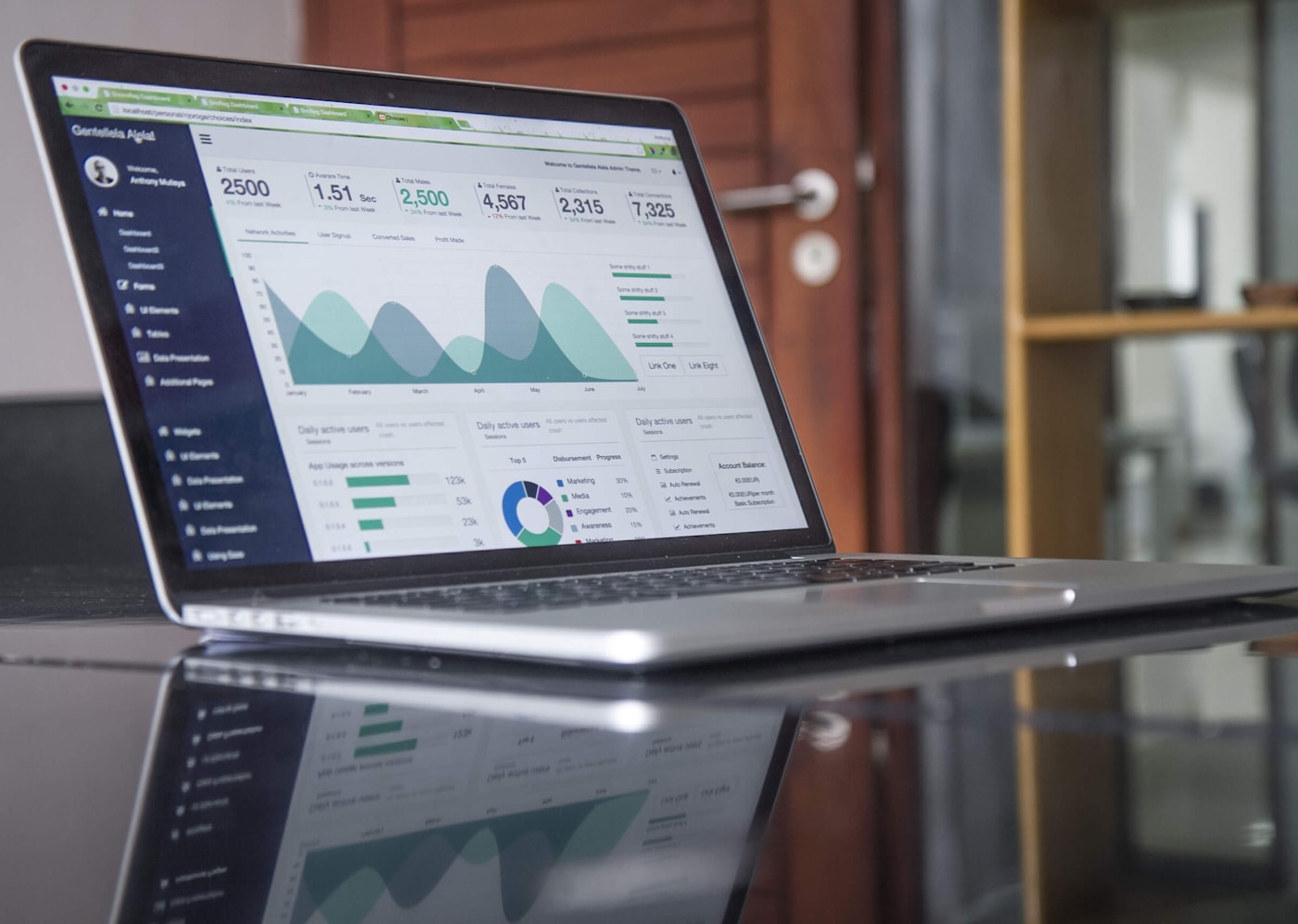
Conversion funnel detail on an analytics screen

Case 02

A B2B firm paying for a search term that meant something entirely different

A professional services startup near Tanjong Pagar had been bidding on a keyword that shared a word with their category but referred to consumer software in every search result. Their ads appeared for queries they could never convert. The previous report counted clicks as success.

We rebuilt the Google Ads structure with exact and phrase match groups aligned to how buyers actually described the service in discovery calls. Negative keywords cut waste within the first fortnight. LinkedIn campaigns paused until the whitepaper offer matched the ad headline. Cost per qualified enquiry became visible for the first time — higher than the client hoped, but honest. They adjusted sales follow-up accordingly. The campaign did not "fix" their close rate; it stopped hiding the problem.

Case 03

A startup whose cost per enquiry only became knowable once tracking was set up properly

Lead forms fed three places: a spreadsheet, a CRM and an inbox rule nobody remembered creating. Marketing reported form fills. Sales reported meetings. The numbers never matched. Media spend continued because leadership assumed the gap was a sales problem.

We mapped the full marketing funnel from ad click to CRM stage, implemented consistent UTM tagging and configured one conversion event per meaningful action. The dashboard showed which channels produced enquiries that sales actually worked — not just forms submitted. Budget moved from a display network with cheap clicks to paid search and retargeting with higher unit cost but better downstream quality. Results varied month to month; the client at least had a shared definition of a lead.

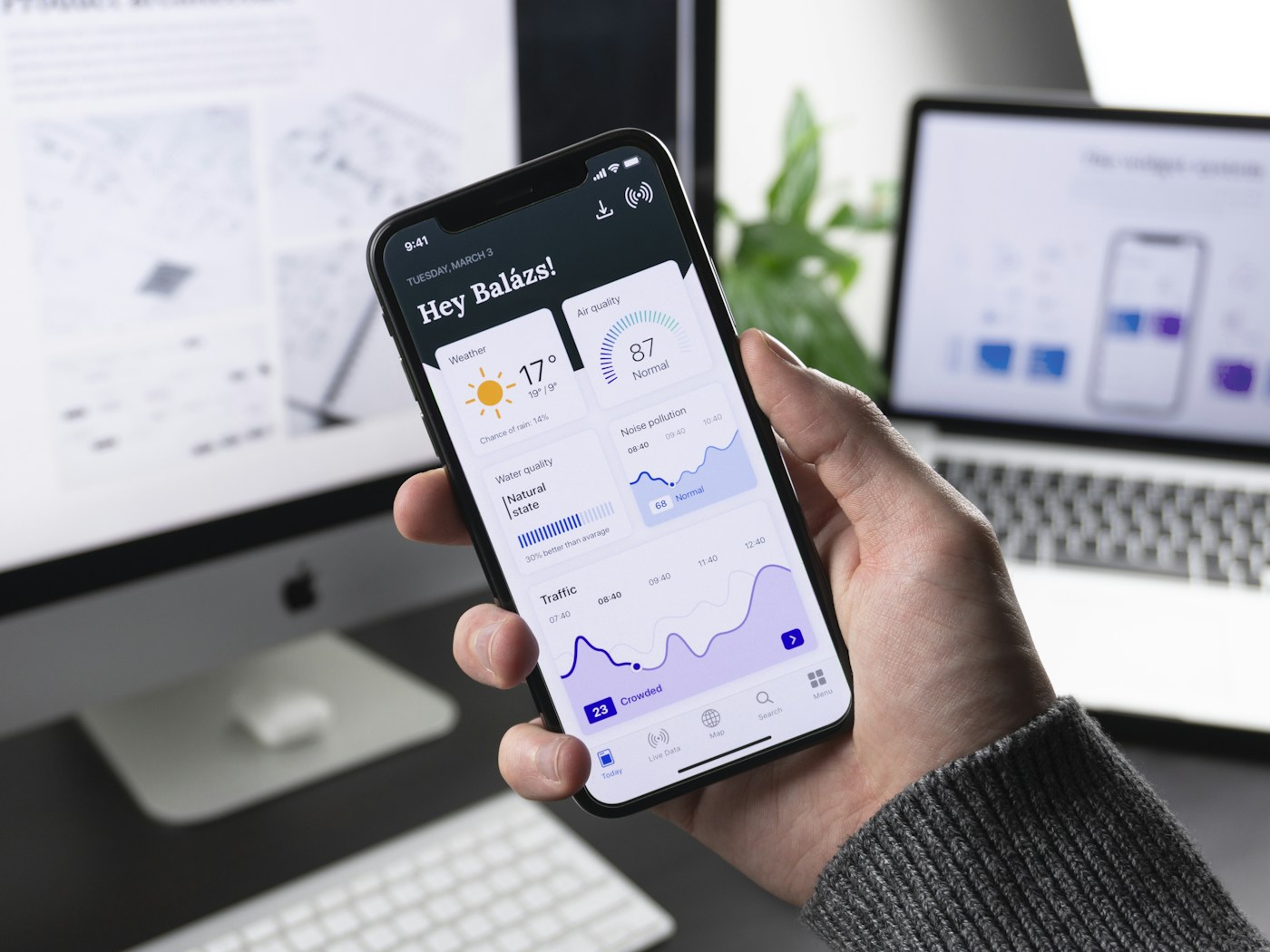
Analytics dashboard showing lead tracking and channel attribution
Media plan spreadsheet during a channel budget reallocation review

Case 04

An SME with two thirds of its budget sitting in a channel nobody checked

When we read the plan before the pitch, we found a legacy programmatic line item still drawing S$2,400 monthly with no line in the report tying spend to revenue. The media plan had been copied forward for a year. Creative had been refreshed; the channel mix had not.

We cut the line, reallocated to search and paid social with proper conversion tracking, and documented the rationale in a one-page plan the client could share with their board. Engagement stayed on a monthly retainer with quarterly reviews. Performance improved in some months and flatlined in others — product pricing changed mid-year, which no agency could advertise away.

Disclaimer: These stories describe illustrative engagements. We do not guarantee rankings, leads, sales, ROAS or ROI. Case studies reflect work done under specific budgets, products and market conditions that may not apply to your business. Contact us for a scoped proposal after discovery.